PM SHRI KENDRIYA VIDYALAYA VAYUSENA NAGAR NAGPUR
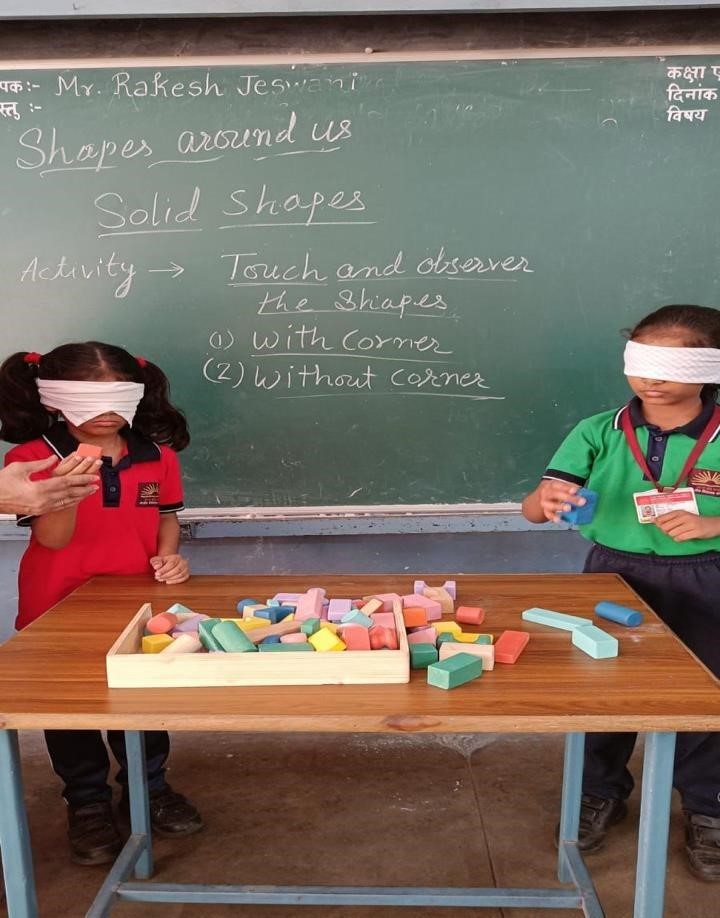
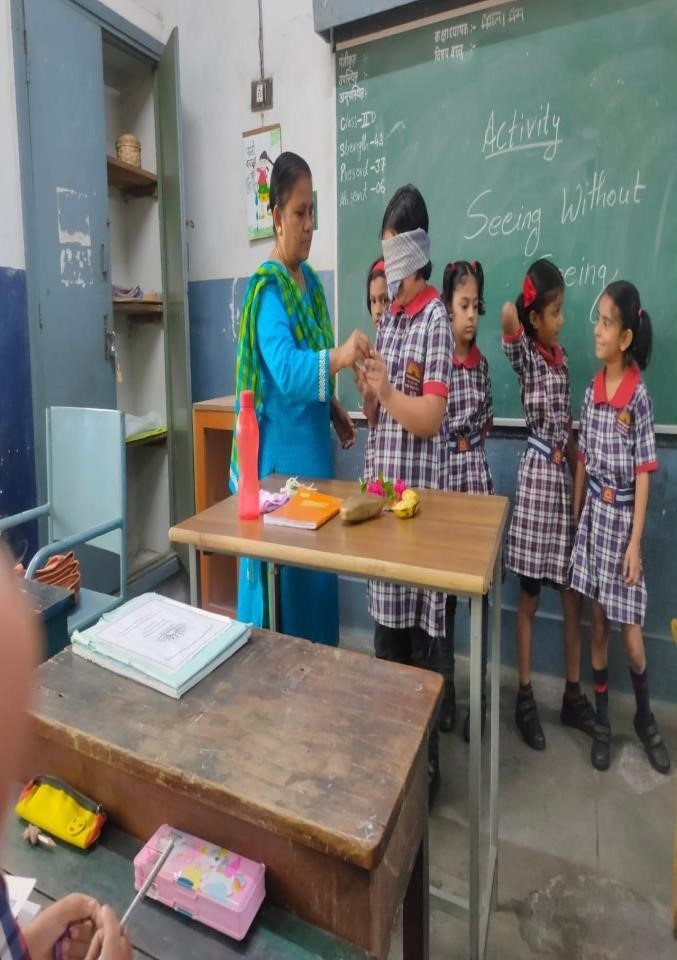
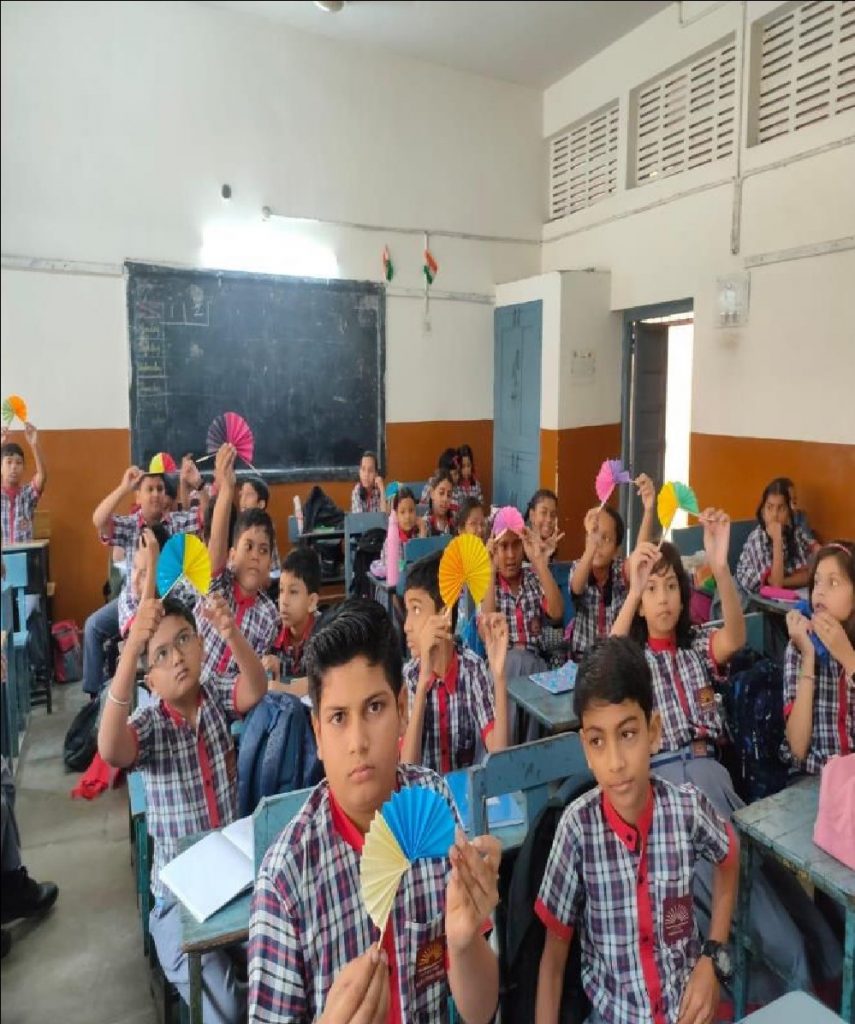
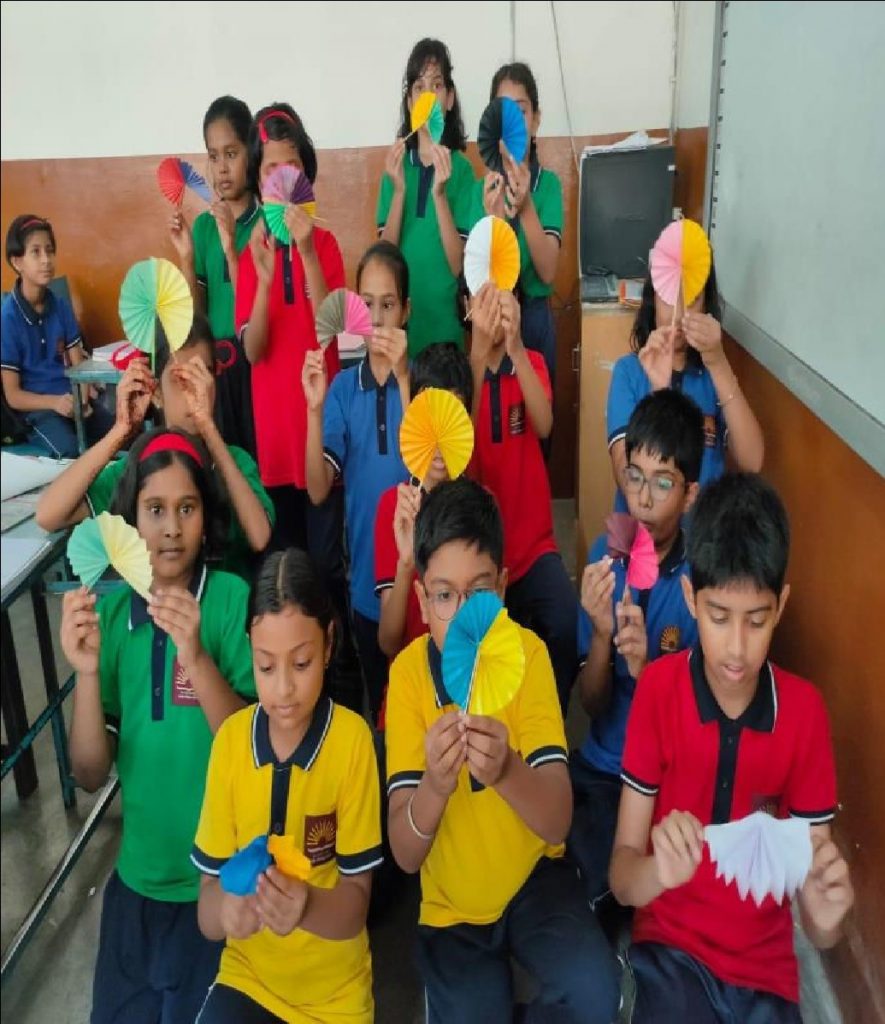
FOUNDATION LITERACY AND NUMERACY ACTIVITIES-[FLN] Foundation literacy and numeracy activities are critical in early childhood education, laying the groundwork for children’s future learning. These activities aim to develop basic skills in reading, writing, and arithmetic, which are essential for children’s academic success. Here’s a structured report on foundational literacy and numeracy activities which are essential in early childhood education, as they equip children with the basic skills needed for further learning. Regular engagement in these activities fosters a strong foundation in reading, writing, and mathematics, crucial for academic success in later years. Schools and educators are encouraged to implement a balanced program that includes these activities to ensure holistic development in children.
FOUNDATION LITERACY ACTIVITIES
- Phonemic Awareness – Activities
- Rhyming Games:Children are engaged in identifying and creating rhyming words through songs, poems, and interactive games.
- Sound Matching:Activities where children match objects or pictures with the same beginning or ending sounds.
- Clapping Syllables:Students clap the syllables of words to understand word structure and sound patterns.
- Objective:To help children recognize and manipulate the sounds in spoken language, which is a precursor to reading.
- Letter Recognition- Activities:
- Alphabet Flashcards:Using flashcards to teach the alphabet and corresponding sounds.
- Letter Tracing: Children trace letters in sand, on paper, or with finger paint to improve their letter formation skills.
- Alphabet Books: Reading and creating alphabet books where each page is dedicated to a letter, accompanied by images of items starting with that letter.
- Objective: To ensure children can identify letters and their sounds, which is crucial for decoding words.
- Vocabulary Building – Activities:
- Storytelling and Read-Alouds:Teachers read stories aloud, discussing new vocabulary words and their meanings.
- Picture-Word Matching: Children match pictures to words to expand their vocabulary.
- Word Walls: A classroom wall dedicated to displaying new and commonly used words, organized alphabetically.
- Objective: To build a rich vocabulary, enhancing children’s comprehension and expression in reading and writing.
- Reading Comprehension- Activities:
- Guided Reading Sessions: Small group reading activities where children read and discuss short passages with teacher guidance.
- Story Sequencing: Activities where children arrange pictures or sentences in the correct order to retell a story.
- Question and Answer Sessions: After reading, children answer questions about the story to test understanding.
- Objective: To develop the ability to understand and interpret written text.
- Writing Skills – Activities:
- Journal Writing: Children are encouraged to write daily entries, using drawings and letters/words to express their thoughts.
- Dictation: Teachers dictate simple sentences that children write down, focusing on spelling and sentence structure.
- Creative Writing Prompts: Using prompts to inspire children to write short stories or sentences.
- Objective: To improve fine motor skills, spelling, and the ability to express ideas in writing.